
How do Industrial Steam Boiler System Works?
- Date: 2025-12-16
- Views:
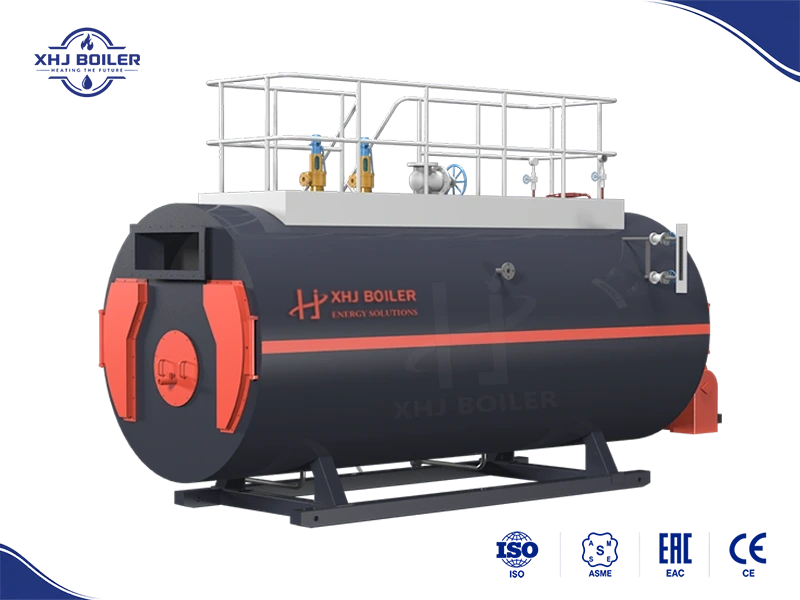
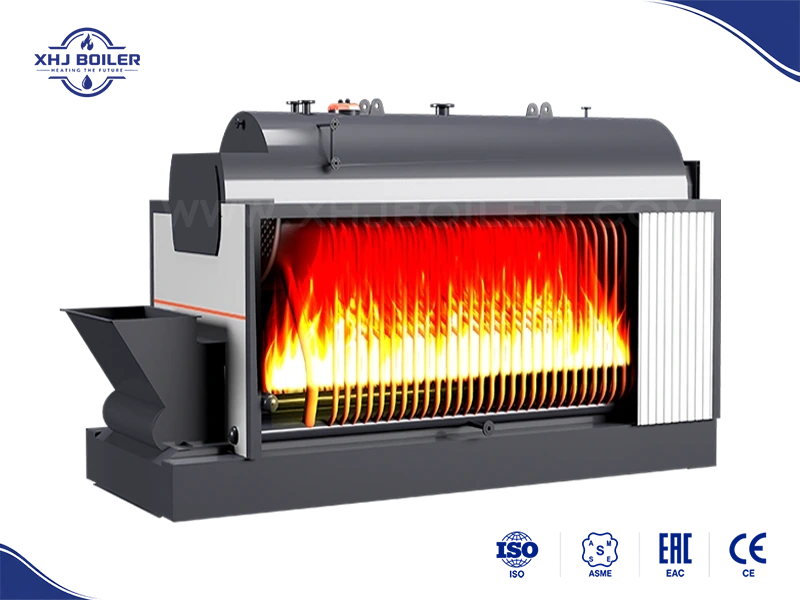
A steam boiler is a vessel that contains water and a heat source powered by oil, coal or gas. The boiler transfers heat from the heat source to the water vessel, thereby turning the water into steam. ......
Many industries concern about that how an industrial steam boiler system works? Many new factory engineers often ask this basic question. Actually, the heart of an industrial boiler system is a hot water or steam boiler operated with a certain kind of fuel. The boiler heats up or evaporates the water inside it, which is then transported to the consumers via pipe systems.
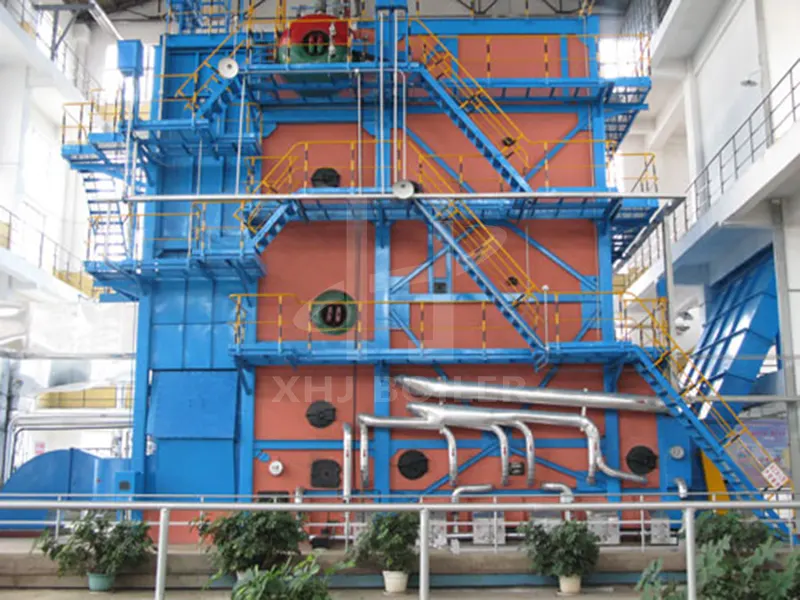
In case of hot water the transport energy is generated by pumps,in case of steam the transport is based on inherent pressure. The cooled water or the condensed steam returns to the boiler where it can be heated again. Loss of water must be compensated by treated fresh water to avoid corrosion. Bad water quality will bring many equipment failure risks. Flue gases created by combustion are discharged into the atmosphere through a chimney.Particularly efficient systems additionally use the residual heat in the flue gases.
Industrial Steam Boiler system Overview
A steam boiler is a vessel that contains water and a heat source powered by oil, coal or gas. The boiler transfers heat from the heat source to the water vessel, thereby turning the water into steam. This steam exits the vessel through a pipe and is transported to another location where it can be used for cleaning, to power equipment, to provide heat or for a number of other functions. Different production lines need different steam parameters. A closed boiler system is one in which 100 percent of the steam is returned to the vessel in the form of water and reused. Closed boiler systems are very efficient and less costly to operate. However, some industrial processes contaminate the steam and prevent it from being reused. A boiler that does not return the used steam to the water vessel is called an open system.
Industrial Steam Boiler system Mechanics
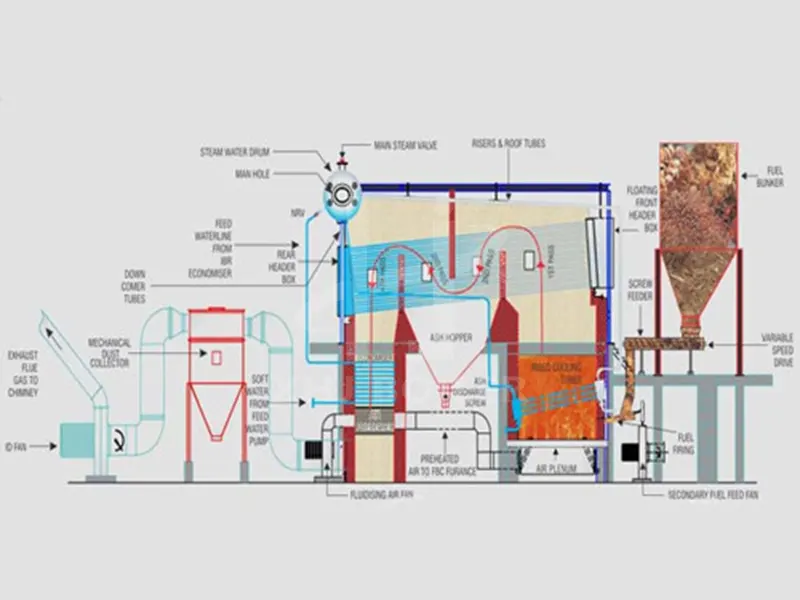
The heat source in a boiler system is located in a separate compartment within the water vessel. The water vessel is attached to the heat source by metal rods, which heat the water directly and convert it to steam. The steam initially collects in an area above the water vessel known as the dome before exiting the industrial boiler. The dome forces the steam to become highly condensed so that it will exit the boiler with a significant amount of pressure. Pressurized steam is particularly important for industrial applications such as powering turbines and other heavy equipment. Operators need watch steam pressure data all the time. All boilers have a safety valve, which allows excess steam to be released to prevent explosions. A boiler also contains a drain, which removes contaminants and sediment from the water vessel, and a chimney, which allows heat to escape once it has passed through the water vessel. Understanding these basic structures help people do daily boiler maintenance better.
In case of hot water the transport energy is generated by pumps,in case of steam the transport is based on inherent pressure. The cooled water or the condensed steam returns to the boiler where it can be heated again. Loss of water must be compensated by treated fresh water to avoid corrosion. Bad water quality will bring many equipment failure risks. Flue gases created by combustion are discharged into the atmosphere through a chimney.Particularly efficient systems additionally use the residual heat in the flue gases.
Industrial Steam Boiler system Overview
A steam boiler is a vessel that contains water and a heat source powered by oil, coal or gas. The boiler transfers heat from the heat source to the water vessel, thereby turning the water into steam. This steam exits the vessel through a pipe and is transported to another location where it can be used for cleaning, to power equipment, to provide heat or for a number of other functions. Different production lines need different steam parameters. A closed boiler system is one in which 100 percent of the steam is returned to the vessel in the form of water and reused. Closed boiler systems are very efficient and less costly to operate. However, some industrial processes contaminate the steam and prevent it from being reused. A boiler that does not return the used steam to the water vessel is called an open system.
Industrial Steam Boiler system Mechanics
The heat source in a boiler system is located in a separate compartment within the water vessel. The water vessel is attached to the heat source by metal rods, which heat the water directly and convert it to steam. The steam initially collects in an area above the water vessel known as the dome before exiting the industrial boiler. The dome forces the steam to become highly condensed so that it will exit the boiler with a significant amount of pressure. Pressurized steam is particularly important for industrial applications such as powering turbines and other heavy equipment. Operators need watch steam pressure data all the time. All boilers have a safety valve, which allows excess steam to be released to prevent explosions. A boiler also contains a drain, which removes contaminants and sediment from the water vessel, and a chimney, which allows heat to escape once it has passed through the water vessel. Understanding these basic structures help people do daily boiler maintenance better.
XHJ BOILER recommends How do Industrial Steam Boiler System Works?, and for more latest boiler and pressure vessel information, please visit www.xhjboiler.com. You can also check other blogs or learn about all products.